Security | Threat Detection | Cyberattacks | DevSecOps | Compliance

Healthcare LLM vs General-Purpose LLM: Why Domain-Specific Models Win in Clinical AI

AI's rapid evolution has ignited a transformation across all industries, including the healthcare sector. Large Language Models, such as Claude and GPT-4, have impacted the world with their efficiency in drafting poetry, writing codes and replying to general queries. However, general-purpose models may not work when evaluating an oncology report, predicting the risks of patient readmission, or getting dosage instructions from unorganised clinical notes. General intelligence isn't enough in medicine. Clinical AI demands special skills, privacy, and accuracy.

An Overview of Email Compliance Regulations and Reporting

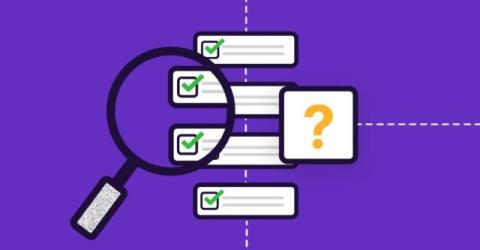
Email is one of the primary ways people share information, connect with customers and get work done. It is also one of the easiest channels for risk to slip in. A mistyped address, an exposed attachment, a missed opt-out, or a rushed response to a phishing message can all lead to serious problems. That is why email compliance matters. It helps define how your organization handles email, what is allowed and how to report on activity when something goes wrong.

Understanding inherent risk vs residual risk-and why the gap matters

Accelerating security solutions for small businesses‍ Tagore offers strategic services to small businesses. A partnership that can scale‍ Tagore prioritized finding a managed compliance partner with an established product, dedicated support team, and rapid release rate. Standing out from competitors‍ Tagore's partnership with Vanta enhances its strategic focus and deepens client value, creating differentiation in a competitive market.

Nightfall's integration with Claude's Compliance API is now live

What this milestone means for enterprise AI security - and why we built it. AI adoption inside the enterprise didn't slow down and wait for security to catch up. It accelerated. And nowhere is that more visible than in the rapid deployment of large language models like Claude across enterprise workflows. Customer support teams use it to summarize tickets. Legal teams use it to review contracts. Engineers use it to write and review code. Finance teams use it to draft reports.

CMMC ESP Scoping for Managed Service Providers

The CMMC ecosystem is poised to be very strict in a very short amount of time, which means a lot of organizations are quickly finding that they need to do a lot of work in short order. A significant area of concern is where MSPs fall into the spectrum of security. Managed Service Providers are a key part of how modern digital businesses operate, but they’re also distinct and separate from the businesses themselves.

Compliance work is overdue for a new approach

Compliance has traditionally lived in dashboards, spreadsheets, screenshots, audit packets, and point-in-time reviews. Security teams know the reality is more dynamic. The evidence auditors need is often buried across identity providers, endpoints, cloud platforms, network controls, vulnerability scanners, alerts, and custom application logs — all generating live operational telemetry that static tools struggle to keep up with.

How Banking Platforms Improve Accuracy Across Daily Operations

Managing daily financial transactions requires extreme precision. Even a tiny math mistake can create massive compliance issues for a local branch. Staff members face heavy pressure to keep ledgers perfectly balanced every single shift. Modern technology helps institutions maintain perfect records without manual oversight. Automated tools handle the heavy lifting to eliminate human error across the board. This change leaves little room for operational slip-ups.

Zero Trust in SaaS Development: Architecting Multi-Tenant Systems for Compliance

In a multi-tenant SaaS environment, perimeter defense is a dangerous illusion. If a threat actor gets through the outer wall or a developer makes one routing mistake, every tenant's data is at risk. Application logic alone is not enough to separate tenant data. A single misconfigured query or a SQL injection attack can expose data that was never meant to be seen. In regulated industries like FinTech and Healthcare, that kind of exposure hurts your customers and triggers audits, fines, and investigations.