Apart from external attackers, organizations need to consider another type of threat when planning their cybersecurity strategy: insider threats. There are different types of insiders. On the one hand, there are people who have secret knowledge and unintentionally create risk openings within an organization; and on the other, there are others who intend to cause harm, motivated by profit, extortion, or personal grievance. This means insiders can be classified as follows.
The world of digital security has been under the spotlight for various reasons in the last year. Several high-profile incidents have directly impacted the general public, from cyber attacks to privacy scandals. Uber is the latest company to be caught up in this whirlwind after hackers managed to breach their security and steal sensitive user data from the ride-hailing service. This article provides an overview of what happened, what went wrong, and what you can do to keep your accounts safe.
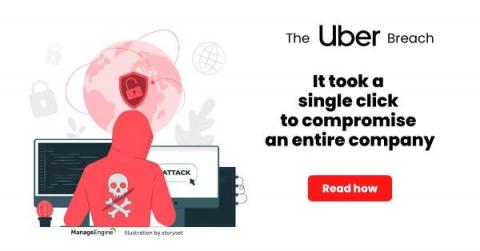
Illustration by jcomp On Sept. 15, Uber Technologies Inc. was breached by an 18-year-old. The hacker purchased an employee’s stolen credentials from the dark web and pushed a flood of multi-factor authentication (MFA) requests and fake IT messages to them in hopes of getting into their account. Irritated by the non-stop pop-ups, the employee caved in and approved the request, unwittingly setting off a cyberattack.
The technology industry has unlocked innovation across all sectors as an enabler of digital transformation. Most organizations are now outsourcing critical operations to tech companies, such as cloud providers. Tech vendors are now left to manage an ever-growing volume of sensitive data, which they must secure effectively to prevent large-scale data breaches. IBM and Ponemon Institute’s 2022 Cost of a Data Breach Report found a record high average breach cost of US$4.35 million.
The financial industry is no stranger to data breaches. Financial institutions have access to millions of personally identifiable information (PII) records, which they must secure to the highest standard. The value of this data is open knowledge – hackers will actively search for existing cybersecurity weaknesses to gain unauthorized access to customers’ financial information.
In an increasingly digital world, cybersecurity is a significant – and relevant – threat to individuals and companies alike. Cybercriminals are constantly devising new ways to steal information for personal gain through exploitation or ransom demands. It’s become unfortunately commonplace to hear tales of drained checking accounts, leaked photos, and private documents being published to the masses.