Security | Threat Detection | Cyberattacks | DevSecOps | Compliance

What Is Agent Native Security for Data Enrichment

There are thousands of automated data enrichment jobs running every hour in modern enterprise environments, yet traditional firewalls treat autonomous artificial intelligence as a basic web form. When automated agents are tasked with scanning, parsing, and updating database records, they cannot rely on static API access or broad infrastructure permissions.
How Advanced Training Protocols Define Elite Security Teams

When businesses and event organizers evaluate security partners, one factor consistently separates elite providers from the rest: the depth and rigor of their team's training. In an industry where split-second decisions can determine outcomes, advanced tactical preparation isn't optional-it's essential.

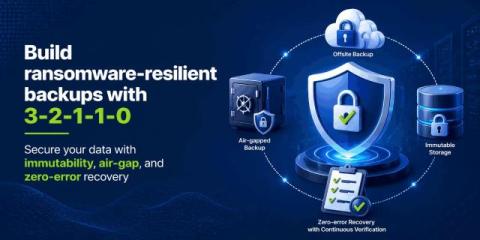
3-2-1-1-0 backup rule: Strengthening data protection against ransomware

Data loss is no longer a rare event—it is an inevitability. From ransomware attacks to accidental deletions, organizations must be prepared not just to prevent incidents, but to recover from them quickly and reliably. Modern threats increasingly target backup environments, making recovery readiness a critical component of any data protection strategy.

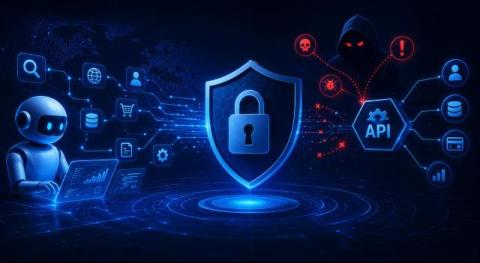
Agentic AI is Calling Your APIs: Why Autonomous Agents are the New Attack Surface

On April 27, 2026, a threshold was crossed that the internet had never hit before. Cloudflare Radar data confirmed that automated systems, such as bots, crawlers, and autonomous AI agents, now generate 57.4% of all HTTP requests for web content. Human traffic accounts for just 42.6%. What is accelerating this transformation is agentic AI: autonomous systems that browse, search, authenticate, and transact on behalf of users without any human intervention mid-task.

File Integrity Monitoring: A Guide for Modern Security

You probably already have endpoint alerts, firewall logs, cloud audit trails, vulnerability scans, and a queue full of tickets tied to expected changes. Yet one of the most common blind spots is still simple file drift on important systems. A web server config changes outside the maintenance window. A startup script gets altered so malware survives a reboot. A registry key flips on a server nobody thought to watch closely.

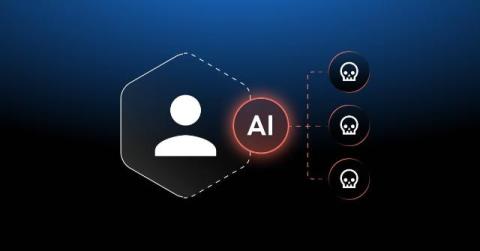
How Shadow AI is Creating an Unmanaged Identity Crisis

Employees are adopting AI tools, agents and automations faster than organizations can govern them. The real danger emerges when these tools connect directly to internal systems and sensitive data in the name of enhancing productivity. Among employees who use AI at work, a significant share do so without formal approval from IT or security teams, which is commonly called shadow AI.

Home-Field Disadvantage: AiTM, QR-Code Phishing, and Infostealers at the 2026 FIFA World Cup

The 2026 FIFA World Cup is a once-in-a-generation opportunity, and threat actors have already begun capitalizing on it. The 2026 FIFA World Cup, set to kick off on June 11, has already broken records for the most host nations, the most matches, and the highest amount of prize money to date for winning teams. Arctic Wolf set out to proactively investigate the criminal ecosystem surrounding the tournament.

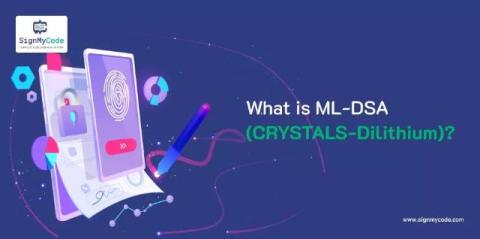
What is ML-DSA (CRYSTALS-Dilithium)? The Future of Digital Signatures Beyond RSA and ECC

With quantum computing soon changing the way things work in general, one of the areas that cybersecurity experts are most worried about is how digital signatures will survive. The same kinds of algorithms that have supported virtually all secure communications (both computer and otherwise) for decades are going away. Not only are RSA and Elliptic Curve Cryptography (ECC) algorithms no longer safe from being cracked by quantum computers, but they have also become obsolete.

Board-Level Cyber Reporting: What CEOs, CFOs, and CISOs Need to Get Right in 2026

Cyber reporting to the board has a consistency problem: updates arrive regularly but rarely deliver the forward-looking intelligence executives need to act. This piece breaks down why the disconnect exists, how it affects CEOs, CFOs, and CISOs differently, and what decision-ready threat intelligence should actually look like at board level.