Security | Threat Detection | Cyberattacks | DevSecOps | Compliance

Winning risk management in 2026: Harness emerging technology trends for unstoppable success

Risk management has come a long way from outdated spreadsheets and static reports. Today’s dynamic business landscape demands a robust framework that not only responds to threats swiftly but also leverages emerging technology trends to transform potential pitfalls into strategic advantages. In this article, we explore how integrating cutting-edge innovations with risk management techniques can lead to unstoppable success.

How Responsible AI Governance Strengthens Cybersecurity Defenses

Here's something that should keep you up at night: cybercrime might cost the global economy $10.5 trillion every year by 2025. That's not a typo. Traditional security measures? They're already struggling to keep pace. Attackers have figured out how to weaponize artificial intelligence, launching sophisticated campaigns that waltz right past conventional defenses like they're invisible.

Behind the Laughs: The Security Measures Keeping Meme Coins Safe

In the fast-moving crypto world, meme coins have evolved from internet jokes into serious digital assets with multi-million-dollar market caps and thriving communities. But their playful origins sometimes make people question how secure they really are. Projects like Shiba Inu, Dogecoin, PEPE, and countless others rely on advanced blockchain protocols and community-driven safeguards to maintain a high level of stability and trust. Understanding these protective layers is essential for anyone interested in joining the wave of digital finance.

Seven Bibliography Mistakes SparkDoc Catches, Plus How to Keep Them Out of Your Drafts

Good writing can wobble at the finish line when the references go wrong. Reviewers notice. Teachers notice. Readers who care about sources notice first of all. Bibliography mistakes do not only weaken credibility, they slow down the whole process because every small error leads to another round of checking. This guide looks at the errors that appear again and again, plus how an AI-aware workflow reduces them without turning the page into a sales pitch. The goal is a clean, verifiable bibliography that supports the argument rather than distracts from it.

The Top 10 Ransomware TTPs

Arctic Wolf’s The State of Cybersecurity: 2025 Trends Report revealed that 23% of organizations experienced at least one significant ransomware attack in 2024. And these attacks remain difficult for organizations to remediate without succumbing to threat actor demands, with the same report finding 76% of victim organizations are electing to pay the ransom to regain access to their data and environment.

AI Browsers Are Silently Exfiltrating Sensitive Data - and Legacy DLP Can't See It

A new class of AI-powered browsers are rewriting the rules of data security. While CISOs focus on traditional vectors, employees are unknowingly creating permanent backdoors to your most sensitive data through browsers that remember everything, sync everywhere, and share it all with AI models. The bottom line: If you're not actively protecting against AI browser exfiltration, you're already leaking data. Here's why it's happening, what it costs, and how to stop it today.

Detectify AI-Researcher Alfred gets smarter with threat actor intelligence

Six months after launch, Alfred, the AI Agent that autonomously builds security tests, has revolutionized our workflow. Alfred has delivered over 450 validated tests against high-priority threats (average CVSS 8.5) with 70% requiring zero manual adjustment, allowing our human security researchers to concentrate on more complex, high-impact issues. Now, we’re elevating Alfred’s capabilities by integrating real-world threat actor intelligence directly into its core system.

Uncovering the Shadow AI Paradox

Does the world really need another study of shadow AI? That was my first thought going into this project. Reading dozens of previous reports did not change that impression: there's a lot of shadow AI out there, and a lot of reports saying so. But the more I read, the more apparent it became that something important was missing. This endless supply was not meeting what was actually in demand.

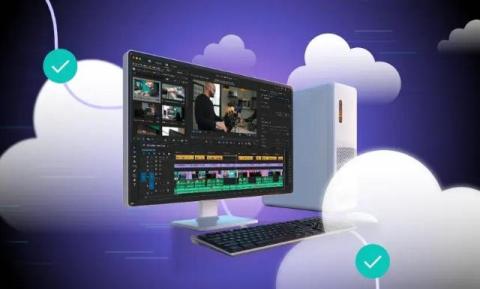
The Great Divide: Can the Desktop and Cloud Truly Coexist?

The cloud has transformed collaboration. Teams now share documents, slides, spreadsheets, and more in real time, without worrying about content silos or email chains (a hotspot for inefficient sharing). For most files, it’s seamless. But here’s the reality: Not all work lives comfortably in the cloud. Designers, video editors, engineers, and data scientists are just a few of the professionals who depend on desktop native apps to do their best work.