Security | Threat Detection | Cyberattacks | DevSecOps | Compliance

From Inbox to Encryption: How Ransomware Delivery Has Evolved

Ransomware and phishing have always been linked, but the old model was blunt: a phishing email carried the payload, the recipient opened it, encryption followed within hours. What the threat looks like in 2026 is fundamentally different. The email that starts the chain carries nothing dangerous. Instead, the ransomware arrives weeks later, launched by a completely different attacker. So, what can organizations do to protect themselves from these new threats?

The Perfect Heist: NuGet Typosquat Targets Betting Platform to Rig Results

The JFrog Security Research team has discovered and disclosed a typosquatted NuGet package named Newtonsoftt.Json.Net. Note the double t and the.Net suffix. This package has been masquerading as the popular Newtonsoft.Json library while quietly shipping a trojanized fork. The trojan rigs Digitain, an online betting platform, and in later generations, exfiltrates rigged round results to an attacker-controlled server, utilizing the header X-Seq-ApiKey: theperfectheist2025.

Cookie Crumbles: How Exploitation of CVE-2026-0257 Leads to Qilin Ransomware

During June 2026, Arctic Wolf Labs investigated multiple intrusions during which threat actors exploited CVE-2026-0257 as a consistent initial access vector, rapidly transitioning from perimeter compromise to domain-wide Qilin ransomware encryption across distinct victim environments.

WannaCry Ransomware: Infection, Impact, and Prevention

WannaCry, also known as WannaCrypt, is a notorious ransomware strain that gained global attention in May 2017 due to its widespread and damaging impact. It belongs to the category of malware known as ransomware, which encrypts a victim’s files and demands a ransom payment, usually in cryptocurrency, in exchange for a decryption key that can unlock the files.

Building a More Secure Workplace Technology Environment

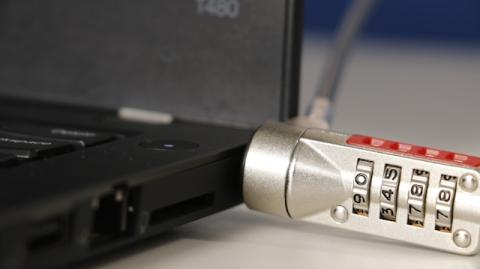
One weak password. One rushed click. One laptop left in a rideshare. That's all it can take to create a very real problem for your business. Strong workplace technology security is no longer just about locking down computers. It protects payroll, customer records, employee privacy, contracts, financial data, and the trust you've worked hard to earn.

How Aikido Intel detects malware and vulnerabilities first

TL;DR: Aikido Intel is a real-time supply chain intelligence feed. It detects both malware and vulnerabilities in open-source ecosystems. Aikido's world-class researchers maintain our LLM-powered pipeline to find malware and validate the most malicious cases by hand. The vulnerability detection system monitors package changes across ecosystems to catch and document vulnerabilities that don’t have CVEs assigned.

ClickFix Social Engineering is Now the Leading Malware Delivery Method

The ClickFix social engineering technique is now the top malware delivery method, according to a new report from ReliaQuest. These attacks trick users into copying a malicious command, then pasting it into a terminal and running it on their computers. “ClickFix remained the dominant delivery method this period and, for the first time, we observed it expand to macOS, delivering infostealers onto a platform many organizations still monitor less closely than Windows,” the researchers write.

Could your own AI agents run a ransomware attack?

Ransomware is evolving well beyond locking systems, and agentic AI is introducing a category of security risk most organizations are not yet equipped to handle. On The Cybersecurity Defenders Podcast, Behnaz Karimi, Senior Cybersecurity Analyst at Accenture and independent ransomware researcher, walks through what that shift actually looks like. The full conversation includes.