
Security | Threat Detection | Cyberattacks | DevSecOps | Compliance

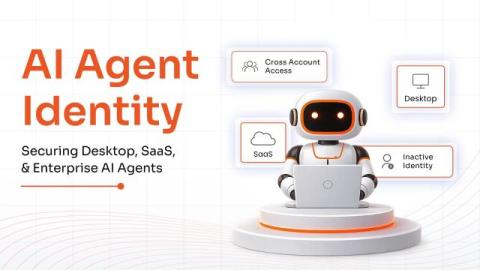
AI Agent Identity: Securing Desktop, SaaS, and Enterprise AI Agents

Your enterprise probably has a few thousand employees with managed identities. HR provisioned them, IT governs them, and your IAM platform watches them. Now count the AI agents running across your org. The Claude Code and codex instance that sit inside every dev's IDE. The Salesforce Einstein bot with access to every open deal. The Zapier AI that reads your CRM, writes to your Slack, and forwards summaries to email. You can't count, secure, or govern them with traditional IAM, can you?
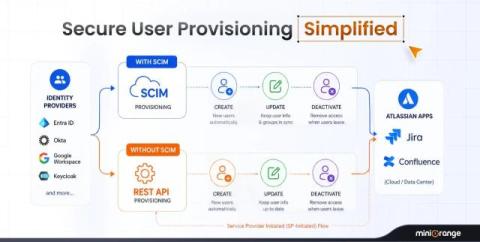
SCIM & REST API Provisioning for Jira and Confluence

Wouldn't it be great if managing user accounts didn't take hours of manual effort? For many IT teams, unfortunately, that's exactly the reality. Every new employee needs access for all the apps they intend to use. When someone switches roles, permissions need updating. And when someone leaves, all their access needs to be revoked immediately. These tasks might sound simple, but they become exponentially more challenging as your company grows.

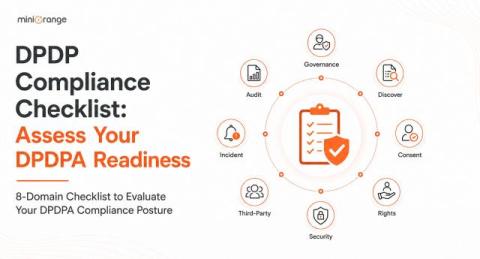
DPDP Compliance Checklist: Assess Your DPDPA Readiness

The Digital Personal Data Protection (DPDP) Act, 2023, has established a new privacy framework for organizations handling digital personal data, while the DPDP Rules, 2025, provide greater clarity on how businesses should implement these obligations in practice. For many organizations, however, translating legal requirements into day-to-day operational processes remains a significant challenge.

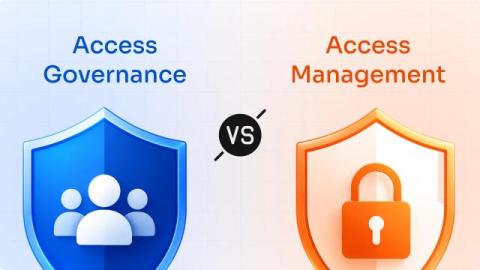
Access Governance vs. Access Management: What's the Difference?

Most organizations deploy access management tools and believe they have identity security covered. They do not. What they have is a way to let users in, but no systematic way to ask whether those users should still have that access at all. Access governance and access management are related but distinct disciplines.

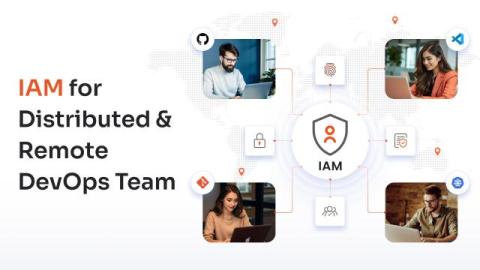
IAM for DevOps: How to Secure Distributed Teams, CI/CD Pipelines, and Privileged Access

Your DevOps team doesn't log into one app from one office. They're in cloud consoles, Git repos, CI/CD pipelines, and production, often at 2 am, often from home. IAM for DevOps has to work for that reality, not the one from 2016. Traditional identity and access management was built for employees signing into a handful of business apps from a managed laptop. But the DevOps team blew past that model years ago.

SSH ProxyJump at Scale: Where It Breaks Down and What to Do Instead

Most engineers meet SSH ProxyJump the same way: a single bastion host stands between the public internet and a private network, and one clean -J flag replaces a clunky chain of manual hops. For small teams managing a handful of servers, it feels like a solved problem. But infrastructure grows, teams grow, and the assumptions that made ProxyJump elegant at ten servers start to strain at ten thousand. What works cleanly in a small environment often becomes a liability in a large one, and understanding why is the first step toward finding a better approach.

What's new in Active Roles 8.5

Active Roles by One Identity version 8.3 provides several highly requested features to fortify and enrich the integration capabilities of Active Roles. These new features bring unmatched flexibility and security to Active Directory environments, supporting customers where they are today and where they want to go in the future. Watch this short video to find out how these features can help streamline and protect your Active Directory.