Security | Threat Detection | Cyberattacks | DevSecOps | Compliance

When One Layer of Encryption Isn't Enough: Understanding Double VPN

There's a question buried inside most conversations about VPN security that rarely gets asked directly: what exactly is a single-hop VPN protecting you against - and what isn't it protecting you against? The answer determines whether a double VPN is a sensible upgrade or an unnecessary complication for your situation.

The New Vanguard: Strategic Leadership in the Age of Autonomous Threats

The threat landscape of 2026 is no longer defined by the singular hacker or the isolated malware strain. We have entered the era of the "Autonomous Adversary"-a period where AI-driven social engineering, automated vulnerability discovery, and polymorphic code are the standard tools of state-sponsored and criminal actors alike. For the security professional, the traditional defensive perimeter has dissolved. To navigate this complexity, the industry is moving away from purely tactical responses toward a model of "Cyber-Resilience and Strategic Governance.".

Preemptive Cybersecurity in Practice: Why Brand Impersonation Protection Can't Wait for the Takedown

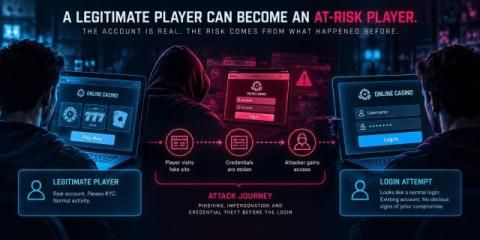
Most brand impersonation protection programs are built around a process that starts after the damage is done. A fake site goes live. Customers land on it. Credentials get stolen. Then the takedown request goes in. That sequence isn’t a workflow problem. It’s an architectural one. Preemptive brand impersonation protection means intervening before credentials are entered, not after a cloned site is discovered.

CrowdStrike Named a Leader in the First-Ever Gartner Magic Quadrant for Cyberthreat Intelligence Technologies

CrowdStrike has been named a Leader in the inaugural 2026 Gartner Magic Quadrant for Cyberthreat Intelligence Technologies and positioned furthest to the right in Completeness of Vision among all vendors evaluated. We believe this placement validates CrowdStrike as the platform of choice for threat intelligence and reflects our relentless innovation to provide organizations with the technology they need to understand, detect, and defend against modern adversaries.

Turning Bug Bounty Chaos into Structured Action

For many security teams, bug bounty programs are a double-edged sword: they provide critical insights automated tools miss, but they also introduce a massive operational burden due to free-form, unstructured, and noisy data. In this video, Kevin Swan, Sr Product Marketing Manager at Seemplicity, demonstrates how Seemplicity's Exposure Action Platform bridges the Triage Gap by transforming unstructured HackerOne findings into clear, trackable fixes. Learn how to move findings from a third-party platform into a remediation workflow without slowing down your engineering teams.

Scaling Exposure Management: From Manual Patching to AI-Powered Remediation

Is your security team drowning in a "WTF" moment? When vulnerability scanners return 45,000+ critical findings, manual workflows simply can't keep up. In this session, Megan Horner (Director of Product Marketing at Seemplicity) explores why traditional vulnerability management is failing in the age of AI-driven attacks. What you’ll learn: Stop treating remediation as a manual chore and start building an automated pipeline.

Audit Ready by Design: Continuous Compliance Posture You Can Prove

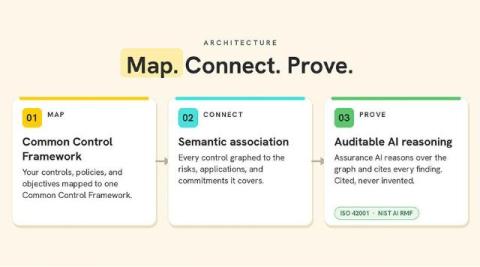
Think of your environment like a medical clinic. Patients with new “symptoms” show up every day, such as an overly permissive firewall rule or a missed TLS inspection policy. A good doctor triages the most severe case and prescribes the right fix before the “symptoms” escalate.

Turning Bug Bounty Chaos into Structured Action

Managing a bug bounty program often creates a significant operational burden because the findings tend to be unstructured and noisy compared to automated scans. This blog explains how to bridge the “triage gap” by using Seemplicity to transform free-form bug bounty data into a structured remediation workflow.