Security | Threat Detection | Cyberattacks | DevSecOps | Compliance

What Is a 2FA Code?

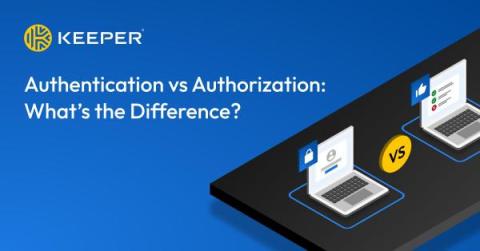
A 2FA code, which stands for two-factor authentication code, is a form of Mutli-Factor Authentication (MFA) that requires a generated code as an additional verification factor to a username and password. For example, when logging in to an account, instead of solely entering your credentials, you would also have to provide a second method of verification by entering a code from an authenticator app or one that is sent to your phone.

Using Splunk to Enhance Enterprise Security Capabilities of Google Chrome

The way we work has drastically changed since the start of the pandemic. With more companies adopting remote and hybrid work models, there has been a 600% increase in cybercrime and 65% of organizations have seen a measurable increase in attempted cyberattacks, which is particularly problematic since, according to the 2022 Splunk State of Security report, 78% say remote workers are harder to secure.

4 Tips for Reducing Your Company's Cyber Exposure

If your organization is like many others, its cyber exposure continues to grow over time. During the pandemic, as attackers sought to exploit unprecedented changes in work environments, 35% of cyberattacks used previously unseen malware or methods, up from the norm of 20%. And with the average enterprise using well over 1,000 cloud services, it can be very difficult to get a handle on potential vulnerabilities or to know when risks will pop up.

Introducing JFrog Curation

JFrog Curation is an automated DevSecOps solution designed to thoroughly vet and block malicious open source or third-party software packages and their respective dependencies before entering an organization’s software development environment. With JFrog Curation enterprise companies can: Find out more about what's under the hood with JFrog Curation in this informative webinar.

Prevention Is the Best Preparation for the SEC's New Breach Disclosure Rules

The U.S. Securities and Exchange Commission (SEC) this week voted to adopt new rules for how companies inform investors about cybersecurity concerns. The vote comes after years of gradually increasing guidance and scrutiny over companies’ handling of cybersecurity events and follows a lengthy comment period where companies, including CrowdStrike, provided input.

CVE-2023-35081: New Remote Arbitrary File Write Vulnerability in Ivanti Endpoint Manager Mobile

On July 28th, 2023, Ivanti released a security advisory detailing a new vulnerability affecting Ivanti Endpoint Manager Mobile which allows an authenticated administrator to perform arbitrary file writes (CVE-2023-35081).

Implementing TLS in Kubernetes

As cloud technology continues to evolve, the demand for Kubernetes is skyrocketing. As a result, security has become a top priority for developers looking to protect their application data. That's where Transport Layer Security (TLS) comes into play. TLS is essential for ensuring a secure connection between your applications and the internet. TLS leverages asymmetric and symmetric cryptographies to keep your data secure in transit and at rest.

A Guide to Vendor Relationship Management

Vendor relationship management is a process focused on overseeing relationships with third-party vendors. Vendors can range from small independent contractors for one-time projects to multi-year business partners critical to an organization’s success. Companies rarely handle all their business in-house and independently.