Security | Threat Detection | Cyberattacks | DevSecOps | Compliance

From Startup to Scale-Up: Why Indian Businesses Are Moving to Advance Servers

The startup world in India is withering like never before. Founders are dreaming bigger, shipping faster and building fast, whether it is a two-person SaaS team in Bengaluru or a fintech disruptor in Mumbai. However, it is between the fun of traction and the mayhem of scale that reality kicks in, your infrastructure begins to groan. What starts as a basic server to host startups in India may not be able to sustain in case of the incoming real users. Page loads slow down. Security questions pop up. Periods of downtime is not merely an inconvenient thing anymore but it is also a business risk.

Digital Security Risks During Separation or Divorce: Protecting Your Privacy When Relationships Break Down

During separation or divorce, the breakdown of a relationship often brings unexpected digital risks alongside emotional and financial challenges. Many couples spend years sharing passwords, devices, and online accounts without a second thought. However, when trust erodes, this shared digital access can quickly turn into a serious cybersecurity and privacy concern. Understanding how digital exposure happens and how to manage it responsibly is becoming an essential part of modern family disputes.

5 IT Pros, 900 Users: Papernest Scales Global Operations with JumpCloud [Español]

How does a lean IT team of just 5 people support 900 users across offices in Barcelona, Paris, and Reims? In this video case study (presented in Spanish), Carles Anton Güell, IT Manager at Papernest, explains how they moved away from "tedious" Active Directory to a single unified solution. By integrating JumpCloud with their Google Workspace, Papernest centralized identity, hardware (MDM), and office Wi-Fi into one seamless workflow.

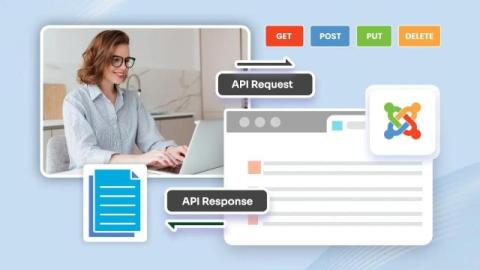
Authenticate Users in Joomla Using the REST API: A Practical Guide for Developers

Modern Joomla applications are no longer limited to traditional website workflows. Today, Joomla powers mobile apps, headless frontends, third-party integrations, and backend services that rely heavily on REST APIs. In all these cases, secure API authentication becomes a foundational requirement.

Edge Security Is Not Enough: Why Agentic AI Moves the Risk Inside Your APIs

For the last twenty years, cybersecurity has been built around the edge: the belief that threats come from the outside, and that firewalls, WAFs, and API gateways can inspect and control what enters the environment. That model worked when applications were centralized, traffic was predictable, and most interactions followed a clear pattern: a user in a browser talking to an app inside a data center. Agentic AI breaks that model.

Supervised AI Is the Fastest Path to Better Threat Triage ROI

Security operations teams are under sustained pressure. Alert volumes continue to rise, environments grow more distributed, and experienced analysts remain scarce. Much of the industry conversation around AI focuses on autonomy and fully automated response. That focus skips the most reliable efficiency gains available right now.

What Happens When Outdated App Versions Circulate Unnoticed? How to Regain Control?

Most teams assume that once an update is released, the old version quietly disappears. But mobile distribution doesn’t work that way. Some app stores delay syncing updates. Others keep older APKs accessible. Third-party sites mirror binaries and never refresh them. Certain regions continue serving outdated versions weeks after security fixes go live.

No Snow Days for Security: How Reach Uses AI Agents to Find and Fix Hidden Risk

Security exposure doesn’t take a day off. Rain, snow or shine, environments keep changing. Controls drift. Configs break. Risk quietly piles up. Reach was founded to help organizations find and fix hidden risk and exposure. Traditional approaches surface issues — dashboards, alerts, findings — but stop short of actually fixing them.