All secured webservers are alike; each vulnerable webserver running on a network appliance is vulnerable in its own way. On October 16th 2023 Cisco published a security advisory detailing an actively exploited vulnerability (CVE-2023-20198) in its IOS XE operating system with a 10 CVSS score, allowing for unauthenticated privilege escalation and subsequent full administrative access (level 15 in Cisco terminology) to the vulnerable device.
Containers offer a streamlined application deployment and management approach. Thanks to their efficiency and portability, platforms like Docker and Kubernetes have become household names in the tech industry. However, a misconception lurks in the shadows as containers gain popularity - the belief that active vulnerability scanning becomes redundant once containers are implemented.
This blog post series offers a gentle introduction to Rego, the policy language from the creators of the Open Policy Agent (OPA) engine. If you’re a beginner and want to get started with writing Rego policy as code, you’re in the right place. In this three-part series, we’ll go over the following.
On October 30, U.S. President Joseph Biden issued a sweeping Executive Order (“EO”) focused on making AI safer and more accountable.
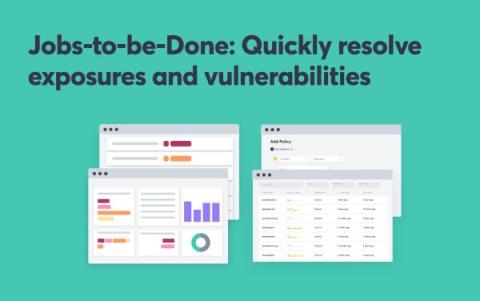
It’s not unlikely that your team has a sufficient amount of vulnerability data that they must assess, prioritize, and remediate. Whether that’s a newly discovered vulnerability, an expired SSL certificate, or even a security policy breach – security teams need to get all this data into one place. For AppSec and ProdSec teams to be successful, they need to know which of their assets are exposed and vulnerable so they can take action to enable faster remediation.