Security | Threat Detection | Cyberattacks | DevSecOps | Compliance

Top 5 Mistakes New Devs Make in Healthcare App Builds and How to Avoid Them

"How to develop a healthcare app" sounds like a normal software question until you actually try it. Once you step into healthcare app development, you realize you're not just shipping features. You're building something that sits alongside doctors, nurses, and patients in real healthcare settings. If it breaks, it can delay treatment. If it leaks data, it can ruin trust and trigger legal problems. A glitch here hurts more than someone missing a DM in a chat app. That's why healthcare software in 2026 requires a mindset closer to clinical engineering than regular SaaS development.

5 Indicators That Standing Privileges Put You at Risk

In most organizations, standing privileges don’t show up all at once. They accumulate quietly. A role is added “temporarily.” A contractor needs broad access to finish a project. A service account gets oversized permissions because no one has time to fine-tune them. None of these choices seem harmful in the moment, but over time they build into a privilege surface that’s far too large and far too easy to misuse.

How the Model Context Protocol Is Redefining Zero Trust for AI Agents

As Artificial Intelligence (AI) agents become more autonomous by accessing critical systems and acting without real-time human oversight, they are evolving from productivity tools into active Non-Human Identities (NHIs) like service accounts or API keys that require the same oversight and controls as human users. This shift expands organizational attack surfaces, introducing new security risks related to overprivileged access and lateral movement of NHIs across cloud infrastructure.

Zero Trust Implementation: Why it Matters and How to Implement

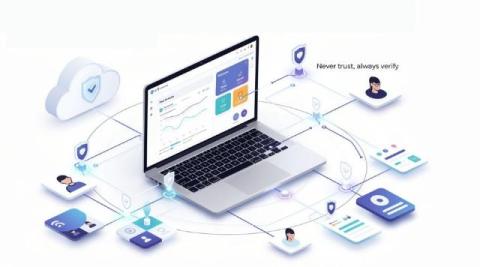
Zero Trust is a security mindset and architecture that assumes no user, device, or network is inherently trustworthy, requiring continuous verification for every access request. Unlike a single tool or product, it requires a holistic strategy that integrates strong identity controls, such as MFA and least privilege access. Success with Zero Trust hinges on cultural shifts, executive buy-in, and ongoing adaptation to threats that emerge beyond the initial setup.

Why Physical Brand Assets Still Matter in a Zero-Trust Digital Workplace

In today's digital-first work environment, organizations are embracing zero-trust security models to protect sensitive data, manage access, and prevent cyber threats. The focus is heavily on technology-firewalls, authentication protocols, endpoint monitoring-but in the rush to secure the digital realm, one crucial element is often overlooked: physical brand assets. From branded merchandise to office signage, these tangible items continue to play an essential role in reinforcing company identity, culture, and security awareness.

Understanding the Risks of Multi-Location Internet Connectivity

Modern enterprises rarely live in one building anymore. Branches, stores, plants, and remote teams all depend on fast internet to reach apps and data. That reach is powerful, but it also multiplies the ways attackers can find you. The more doors you add, the more locks and alarms you need.

Introducing WatchGuard's Zero Trust Bundle: Zero Trust for the Way You Work

Hybrid work, cloud apps, and constant connectivity have completely reshaped how people get things done. But they've also reshaped how attackers operate. Today, most breaches begin with fundamental issues: stolen credentials, compromised devices, or remote access tools that weren't designed for a world of distributed users. That's why WatchGuard is introducing the Zero Trust Bundle, a unified approach that secures people, devices, and access decisions every time someone connects to your business.

Zero trust with Chase Cunningham

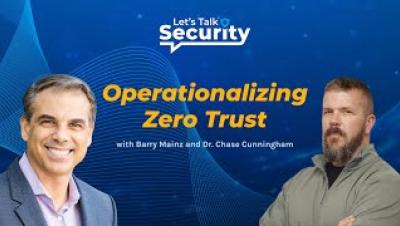
Join us for this week's Defender Fridays as we explore Zero Trust architecture and implementation with Dr. Chase Cunningham, Chief Security Officer at Demo-Force. At Defender Fridays, we delve into the dynamic world of information security, exploring its defensive side with seasoned professionals from across the industry. Our aim is simple yet ambitious: to foster a collaborative space where ideas flow freely, experiences are shared, and knowledge expands.