Security | Threat Detection | Cyberattacks | DevSecOps | Compliance

SMB Cybersecurity Spending Rises: Zero Trust & Secure Access Now Essential

Cybersecurity is no longer just for large enterprises. Small and medium-sized businesses (SMBs) are boosting security investments as cyber risks increase and digital operations expand. According to Omdia, SMBs account for more than 99% of organizations worldwide. In 2025, these businesses increased their cybersecurity spending by 11%, reaching $64.3 billion. This surge reflects an important shift. SMBs are no longer treating cybersecurity as a reactive IT expense.

Recovery-Ready: Building Business Resilience Through Continuity-Focused Cyber Defenses

Most businesses do not think about cybersecurity until something goes wrong. A system suddenly goes offline, files become inaccessible, or suspicious activity appears in the network. These moments are disruptive, but they are also revealing. They show how prepared, or unprepared, a business really is when operations are put under pressure.

What security leaders need to know about zero trust identity management in 2026

The evolution of cybersecurity challenges and the rapid pace of digital transformation have led security leaders to focus increasingly on robust and adaptive security frameworks. Among them, zero-trust identity management has emerged as a cornerstone of modern security strategies.

Proving Zero Trust in Practice: Continuous Validation for Segmentation and Lateral Movement Defense

SafeBreach Senior Product Marketing Manager Tova Dvorin explores the critical necessity of continuous validation in Zero Trust architectures, specifically focusing on the integration of SafeBreach and Akamai Guardicore. While microsegmentation is a foundational element in the defense against lateral movement and ransomware propagation, dynamic infrastructure and policy drift often create “blind spots” that compromise security posture.

What is zero trust security in SaaS applications? A practical implementation guide

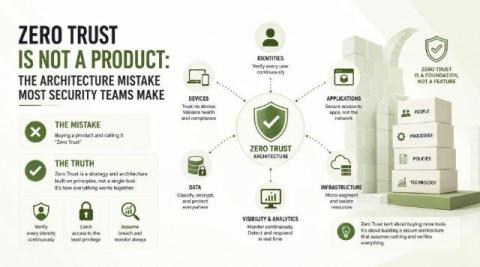
Zero trust used to sound like yet another security buzzword. In SaaS environments, it has turned into something far more practical: a way to keep your business moving fast without assuming that anything or anyone is safe just because they are “inside” your systems. Zero trust in SaaS is about treating every login, every device, and every request as something you verify in real time instead of something you blindly trust because it passed a VPN check once.

Let's Talk Security: Operationalizing Zero Trust

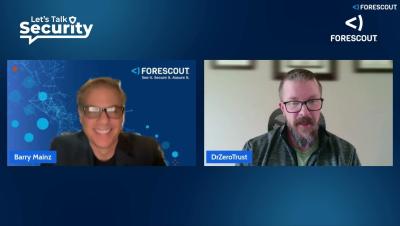
In this conversation, Forescout CEO Barry Mainz is joined by Dr. Chase Cunningham, also known as Dr. Zero Trust. Together, they will explore why Zero Trust feels harder than promised in real-world environments and what changes when you make Zero Trust universal (UZTNA): every connection, every asset, every environment.

From Zero Trust to SPIFFE: How to Secure Microservices with Istio and Teleport

This guide walks through how to deploy microservices with Zero Trust using SPIFFE identities, service mesh mTLS, and short-lived certificates. You’ll learn how to deploy a secure microservices application, configure default-deny authorization policies, and rebuild service connectivity with explicit SPIFFE-based allow rules.