Security | Threat Detection | Cyberattacks | DevSecOps | Compliance

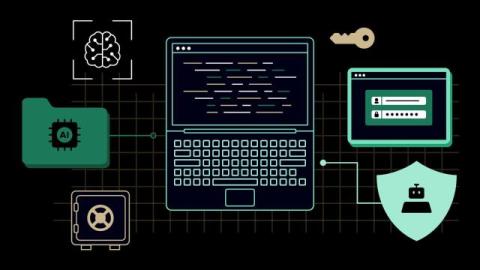
AI Infrastructure Needs an Agentic Identity Framework - We're Building It

AI agents are about to cross a threshold. For infrastructure and security leaders, agentic AI is no longer an innovation topic but a production readiness problem. What started as sandboxed applications and tech demos at trade shows (bet you’ve seen a few of those) has morphed into long-running autonomous actors operating directly in production cloud and on-prem infrastructure. They read data, write code, deploy services, access databases, and make decisions continuously across environments.

AI Action > AI Advice

Sr. Technical Content Strategist From Advisory AI to Operational AI in Security Operations The early wave of AI SOC platforms has delivered mixed results. While AI proved its usefulness as a triage assistant and next-step remediation advisor, these benefits came with significant drawbacks. Foremost, the cost of outsourcing an AI SOC is significant. Medium enterprises could expect to pay anywhere from $120,000 – $360,000 a year for the service.

Claude Code reads a threat report, hunts for IOCs, and deploys detection rules #cybersecurity #ai

From threat intelligence article to deployed coverage. The AI agent extracts indicators, searches for compromise across tenants, confirms clean status, then creates and tests detection rules for ongoing protection within your LimaCharlie environment.

A Step-by-Step Guide to Enabling HIPAA-Safe Healthcare Data for AI

Healthcare organizations are under immense pressure to improve care quality, reduce costs, and operate more efficiently. AI is speeding and simplifying all activities and is integrated across most workflows. But there’s a tradeoff: the moment patient data enters an AI workflow, your HIPAA obligations intensify. HIPAA violations are not theoretical.

How Organizations Should Prioritize AI Security Risks

‍ ‍Artificial intelligence (AI) systems and GenAI tools are no longer merely being experimented with in the market. Instead, they are being embedded into the organizational infrastructure at large, shaping how enterprises process data, automate decisions, and provide core services to customers. Unfortunately, while this integration increases efficiency, it simultaneously increases exposure to a dramatic extent.

How to Implement AI Code Generation Securely in Your SDLC

AI adoption is no longer a future state; it’s the current reality. According to the 2025 Stack Overflow Developer Survey, 84% of respondents are using or planning to use AI tools in their development process. But speed without guardrails creates debt, and in the case of AI, it creates security debt at an alarming rate. Recent data shows that nearly half of the time, AI assistants are likely introducing risky, known vulnerabilities directly into your codebase.

Safe agentic commerce starts with KYA and dynamic IDV

Product, fraud, and trust and safety teams at online merchants and marketplaces have been fighting bots for a long time. While there were occasional disagreements about how “bad” bots were (a purchase is a purchase, some might say), the general consensus often ranged from suspicious to block them all. But not anymore. As AI-powered browsers and agents become more commonplace, online merchants have to prepare for a world where agentic commerce is a standard sales channel.