Join Jeff Farinich, CISO & SVP Technology at New American Funding, who will be presenting a keynote focusing on navigating cloud security and third-party risk management.
Today, organizations face more data than ever. Efficient data management is vital for success and compliance. This is where Data Management as a Service (DMaaS) steps in. These data service solutions simplify data management. They allow businesses to manage data without big in-house setups. However, choosing the right DMaaS solution can be tricky. So, what should you look for? Here are the key features.
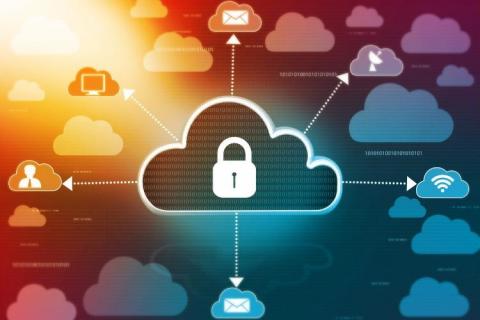
Cloud security refers to technologies, best practices, and safety guidelines that help to protect your data from human errors, insider and security threats. Therefore, it naturally covers a wide range of procedures, which are aimed at securing systems from data breaches, data loss, unauthorized access, and other cybersecurity-related risks that are growing from year to year.
Security remains a thorny issue for small- to medium-sized enterprises (SMEs), consistently topping the list of challenges for IT professionals in JumpCloud’s biannual SME IT Trends survey. In our latest edition, IT pros shared their real-world experiences and strategies around security, among other pressing topics. This blog will dive into those insights to reveal how SMEs are tackling the security landscape today.
The managed service provider (MSP) landscape is experiencing rapid evolution as businesses increasingly rely on external IT support. To gain valuable insights into the industry’s current state, we interviewed Bill Hammelman of CCP Tech and Bill Hughes of Weehooey as part of the JumpCloud Partner Success Interview series. This blog post delves into common trends and challenges faced by MSPs based on their expertise.
In the ever-evolving landscape of business technology, companies are faced with a crucial decision - should they opt for the cloud or maintain their own physical servers? Both options hold distinct advantages, making the choice a complex one that requires careful consideration.
On August 13th, 2024, the US National Institute of Standards and Technology (NIST) published the first three cryptographic standards designed to resist an attack from quantum computers: ML-KEM, ML-DSA, and SLH-DSA. This announcement marks a significant milestone for ensuring that today’s communications remain secure in a future world where large-scale quantum computers are a reality.
Organizations are migrating and building on AWS to unlock their potential and remove obstacles to growth and innovation. AWS customers are able to focus on building value for their end customers by removing the burden of data center operations and hardware management costs. Cloud-based architectures improve agility, resilience and scalability while allowing enterprise-scale infrastructure to be deployed globally in minutes.
When it comes to managing your cloud infrastructure, picking the right platform can make a big difference in how smooth, scalable, and cost-effective your operations are. Two of the top contenders in this space are OpenStack and VMware. Both offer powerful tools for handling virtualized environments, but they suit different needs and preferences. Knowing the key differences between them is essential to help you make the best choice for your organization’s goals and technical needs.