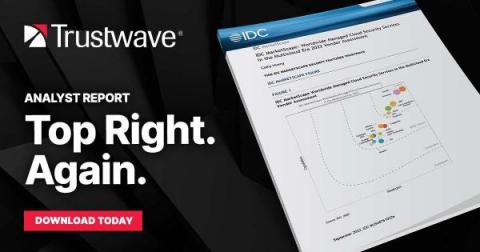
Trustwave has been recognized in the IDC MarketScape: Worldwide Managed Cloud Security Services in the Multicloud Era Vendor Assessment (doc #US48761022, September 2022). Trustwave, a pure-play cybersecurity services provider, is well positioned in the market. It shows the market acceptance for specialized security skills from its MSS providers.
Hybrid cloud computing enables organizations to deploy sensitive workloads on-premise or in a private cloud, while hosting less business-critical resources on public clouds. But despite its many benefits, the hybrid environment also creates security concerns. AlgoSec’s co-founder and CTO, Prof. Avishai Wool shares his expert insights on these concerns and offers best practices to boost hybrid cloud security.
140,000 Social Security numbers and about 80,000 bank account numbers — that’s what one attacker stole from a major financial institution back in 2019. How did it happen? The attacker used firewall credentials to obtain privilege escalation and hack into improperly secured Amazon cloud instances.
Across the globe, we are all now always connected. People now share, upload, and download information from their phones or computers. Cloud-based storage has become incredibly popular because everything is accessible. And with multiple devices synced, you'll never have to worry about forgetting a file again. However, it's not without risks. If someone gets access to your account credentials, they could potentially view all your data stored in the cloud.
In the cloud, securing identities and workloads is both paramount and complex. Inventories of AWS customer security breaches help us learn from publicly disclosed incidents—but until now, not much concrete data has been shared around the usage of security mechanisms that could have helped prevent these incidents. For this report, we examined real-world data from a sample of more than 600 organizations and thousands of AWS accounts that use the Datadog Cloud Security Platform.
The rapid proliferation of cloud technology has empowered organizations to meet complex challenges with innovative solutions. This flexibility, however, is the antithesis of security — each new cloud solution that an organization adopts expands their attack surface.
As an employer, you have both a moral and legal obligation to shore up sensitive information about your employees. Sensitive information includes genetic and biometric data, medical records, SNNs (social security numbers), and criminal history records, just to name a few. Fail to do so, and you will open yourself up to loads of risk. Hackers are constantly on the hunt for applicant and employee data that they can further sell on the dark web or use to perpetrate fraud.