Security | Threat Detection | Cyberattacks | DevSecOps | Compliance

Cybersecurity Best Practices for SOX Compliance

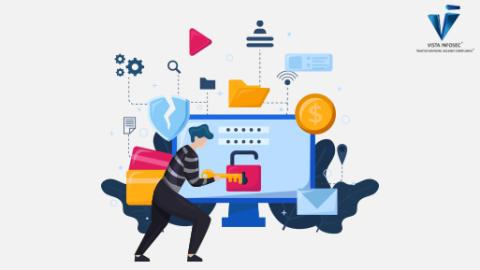
The Sarbanes-Oxley Act (SOX), enacted by the United States Congress in 2002, is a landmark piece of legislation that aims to improve transparency, accountability, and integrity in financial reporting and corporate governance. The act was a response to high-profile corporate scandals, such as those involving Enron, WorldCom, and Tyco International, which shook investor confidence and underscored the need for regulatory reforms to prevent corporate fraud and protect investor interests.

The Significance of the Number 42 in the New ISO AI Standard

The number 42 has gained legendary status in popular culture, largely due to Douglas Adams’ science fiction series, The Hitchhiker’s Guide to the Galaxy. In this series, a group of hyper-intelligent beings build a supercomputer named Deep Thought to calculate the “Answer to the Ultimate Question of Life, the Universe, and Everything”. After much contemplation, Deep Thought reveals the answer to be simply “42”.
Featured Post

Why regulation is the cornerstone of AI development

By now, we're very familiar with the game-changing potential of AI. The rapid rise of ChatGPT has shown us just how quickly the technology has gone from concept to the palm of our hands. AI has the ability to dramatically accelerate workflows, and subsequently free up businesses to focus on strengthening their security and build customer trust. Why then is the UK's security industry so short on confidence when it comes to using it? One reason: a lack of regulation.

Chip maker launches probe into data theft amid cybersecurity concerns

American chip giant Advanced Micro Devices, Inc. (AMD) announced that it has launched a probe of a data breach carried out by a cybercriminal group called Intelbroker that led to several private documents and information being stolen which occurred early this month. In a statement to media outlets, the company spokesperson said that it is working closely with the authorities and a third-party hosting partner to investigate the impact of the breach.

How CMMC Will Improve Your Cybersecurity Posture

In the ever-evolving landscape of cybersecurity, safeguarding critical data from unauthorized access is paramount. Our recent webinar, “Shut the Front Door,” provided invaluable insights aimed at business leaders, operations executives, and IT managers within the government contracting community, emphasizing the necessity of robust access control measures and adherence to regulations like the FAR, DFARS, and NIST 800-171.

How to Conduct Comprehensive Security Audits Without Compromising on Time?

Ever wondered how to conduct security audits without wasting time? Security audits are crucial for protecting your business from threats. But they often feel like they take forever. The process can be overwhelming, especially if you’re trying to be thorough without sacrificing too much time. Luckily, it doesn’t have to be this way.

California's Top 5 Cybersecurity Companies

In a developing digital environment, cybersecurity is playing an important role for safeguarding private information and maintaining the integrity of online systems. Strong cybersecurity measures are necessary for individuals, corporations, and governments to prevent data breaches, financial loss, and privacy violations because of an increasing number of cyber threats.

Regulatory Compliance and Ransomware Preparedness

Ransomware attacks are a huge problem: in the past five years alone, they have brought about a state of emergency across vast swathes of the United States, threatened to topple the Costa Rican government, and brought Portugal's largest media conglomerate to its knees. And ransomware attackers show no signs of slowing down: last year, roughly one-third of all data breaches involved ransomware or some other extortion technique.

The Benefits and Challenges of Decentralized Cloud Computing for Modern Companies

Cloud computing has changed the way companies process and store their data. It has allowed for more flexibility and has given companies the ability to access their data and conduct operations from remote locations. This has allowed companies to recruit and manage employees who live outside their office locations, giving them access to global talent while saving costs.