Security | Threat Detection | Cyberattacks | DevSecOps | Compliance

Are we trusting AI too much?

Gone are the days when attackers had to break down doors. Now, they just log in with what look like legitimate credentials. This shift in tactics has been underway for a while, but the rapid adoption of artificial intelligence is adding a new layer of complexity. AI is a powerful tool, but our growing reliance on it comes with a catch: it’s eroding our critical thinking skills.
ServiceNow and CyberArk: New REST API integration for enhanced credential management

ServiceNow’s External Credential Storage and Management Application is designed to help organizations securely retrieve and manage credentials from external vaults during IT operations, like discovery and orchestration, without storing sensitive data in ServiceNow. This helps ensure compliance, reduces risk, and strengthens privileged access security across hybrid environments.

EP 24 - FOMO, identity, and the realities of AI at scale

In this episode of Security Matters, host David Puner sits down with Ariel Pisetzky, chief information officer at CyberArk, for a candid look at the fast‑evolving intersection of AI, cybersecurity, and IT innovation. As organizations race to adopt AI, the fear of missing out is driving rapid decisions—often without enough consideration for identity, security, or long‑term impact.

How to integrate third-party APIs in Drupal

Learn how to create and manage Custom REST API endpoints in Drupal using the Custom API module. This step-by-step tutorial shows how to build APIs without writing complex backend code, using Drupal’s core REST and routing system. Comprehensive Documentation: Don't forget to subscribe to our channel and click on the bell icon to get notifications about new uploads.

EP 24 - FOMO, identity, and the realities of AI at scale

In this episode of Security Matters, host David Puner sits down with Ariel Pisetzky, chief information officer at CyberArk, for a candid look at the fast‑evolving intersection of AI, cybersecurity, and IT innovation. As organizations race to adopt AI, the fear of missing out is driving rapid decisions—often without enough consideration for identity, security, or long‑term impact. Ariel shares practical insights on what it really takes to secure AI at scale, from combating AI‑enabled phishing attacks to managing agent identities and reducing growing risks in the software supply chain.

Safe agentic commerce starts with KYA and dynamic IDV

Product, fraud, and trust and safety teams at online merchants and marketplaces have been fighting bots for a long time. While there were occasional disagreements about how “bad” bots were (a purchase is a purchase, some might say), the general consensus often ranged from suspicious to block them all. But not anymore. As AI-powered browsers and agents become more commonplace, online merchants have to prepare for a world where agentic commerce is a standard sales channel.

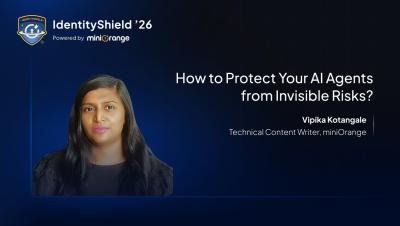
How to Protect Your AI Agents from Invisible Risks? | IdentityShield '26

AI agents power innovation but face hidden hacks, leaks, and tricks. This session uncovers 7 key risks, like cyberattacks, insider threats, bias abuse, and rogue actions, with best practices and real demo videos. Speaker: Vipika Kotangale Technical Content Writer, miniOrange Pune, India.

Automating User Access Reviews: How IGA Delivers Real Business Value

Still managing user access reviews manually? You’re not alone — and it’s costing you. This teaser highlights how automated User Access Reviews (UARs can reduce effort, improve audit readiness, and deliver real business value. In the full webinar, CyberArk experts share real-world examples, ROI insights, and how automation can cut review effort by up to 80%. Watch the full webinar on our website to learn how automated IGA transforms access reviews from a burden into a business advantage.

As online fraud expands, here's how you can stay ahead

Globally, companies lost an average of 7.7% of their annual revenue to fraud, according to TransUnion’s 2025 Digital Identity Risk Accelerates Fraud Losses report. In the US, companies reported revenue losses of 9.8%, a 46% increase from the previous year. That’s hundreds of billions of dollars heading into the hands of fraudsters. And those stats don’t account for the loss of trust, hit to brand reputation, and time and resources spent on mitigating and resolving the fraud.

What is identity muling, and how can you prevent this new fraud vector?

An identity mule is someone who is compensated for sharing their identity. They may be asked for pictures of their identification documents and video selfies. Or, instructed to create an account and complete an identity verification flow before handing over the account’s credentials to a bad actor. The fraud cat-and-mouse game is taking a new turn. As organizations get better at detecting deepfakes, some bad actors are using real people’s identities to commit fraud.