

Security | Threat Detection | Cyberattacks | DevSecOps | Compliance

Scaling Without Losing the Human Touch: Delivering AI Customer Service at Enterprise Volume

AI has become the default answer to rising ticket volumes. It's fast, tireless, and cheaper than adding headcount. But somewhere along the way - usually when support crosses into the tens of thousands of interactions a month - teams start hearing the same thing: "It feels like I'm talking to a script." Speed goes up, but the warmth fades.
Introducing the Jit MCP Server: Security Context and Automation at Your Fingertips

Meshi Yona is the Software Development Team Lead at Jit, where she brings together a strong foundation in cyber systems, analytical thinking, and leadership. Today, we're thrilled to announce the launch of the Model Context Protocol (MCP) Server for Jit, now available in preview for our customers. MCP is an innovative new standard rapidly gaining traction across the AI ecosystem — designed to bridge the gap between applications and large language models (LLMs).

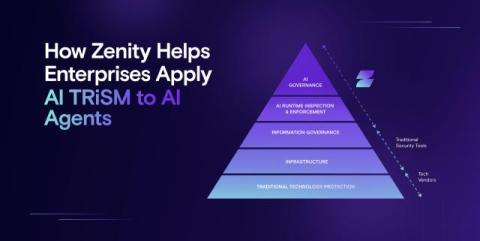
How Zenity Helps Enterprises Apply AI TRiSM to AI Agents

The future isn’t human vs machine, it’s human trying to govern machines. As AI agents grow more autonomous (like replying to emails, writing code, granting access, making decisions, etc.) the real threat isn’t a malicious model. It’s the absence of controls. AI Agents don’t come with built-in security policies. They don’t ask for permission. They simply do what they’re told (sometimes correctly, sometimes dangerously) because no guardrails told them otherwise.

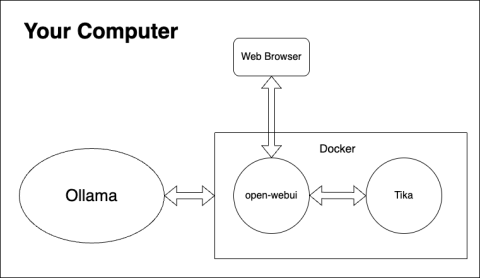
Empowering your LLMs: Unlocking cybersecurity queries with Open WebUI knowledge bases

In the rapidly evolving landscape of large language models (LLMs), the ability to access and synthesize vast amounts of information is paramount. While LLMs excel at generating creative text and understanding complex prompts, their knowledge is often limited to the data used during their training. This is where knowledge bases (a.k.a.

Stop writing dumb AI security policies: use threat models, not fear

Every time someone asks me about building their AI policy, I die a little inside. Not because it’s a bad question, but because my answer is always the same: “Can we not build it off pure fear for once?” Most people don’t understand how AI architecture works, so their first instinct is to panic. And, we’ve seen this movie before: cloud, mobile, bring your own device (BYOD).

The AI advantage in first-party risk management

Risk management is evolving at a pace that compels organizations to adopt more advanced technologies. Among these, artificial intelligence is emerging as a leading force in transforming internal oversight practices, particularly in the realm of first-party risk management. The need to manage risks that originate within the organization has prompted leaders to reevaluate and innovate traditional strategies, making AI an indispensable component of modern risk frameworks.