Security | Threat Detection | Cyberattacks | DevSecOps | Compliance

CrowdStrike Uncovers New Prompt Injection Techniques

Prompt injection is among the defining security challenges of the AI era. As organizations move from chatbots to AI agents, adversaries are finding more ways to manipulate the language, context, and data these systems trust. With the rise of powerful AI agents that can crawl webpages, access file stores, and even write shell commands, indirect prompt injection has emerged as a critical threat vector.

Safeguard: Using the double-edged sword of AI for good

The concept of AI might trigger both excitement and stress for those who spend all their time either using it for efficiency or fighting it as it tries to breach their systems. A massive force of non-human identities that have been summoned to expose the tiniest cracks in an organization’s security is enough to overwhelm any IT team. However savvy, modern security professionals have begun to raise their own versions of AI armies – designed to stop those sent by malicious actors.

Best AI Governance Platforms for Enterprises: Top 6 in 2026

AI governance platforms provide enterprises with centralized oversight to manage AI risks, ensure regulatory compliance, and automate policy enforcement across the AI lifecycle. Leading solutions include security-oriented tools like Mend.io, HiddenLayer, and Prompt Security, as well as end-to-end governance platforms like IBM watsonx.governance and Microsoft Purview.

TITAN AI Demo Series: How to Send Vendor Questionnaires with TITAN Assess

Vendor questionnaires out the door faster. Responses back sooner. No manual coordination required. In this week's edition of SecurityScorecard Demo Tuesdays, see how TITAN Assess streamlines the entire questionnaire outreach process — so your team spends less time on admin and more time acting on what vendors actually tell you.

After Mythos: What Cyber Insurers Should Actually Be Asking

One issue we keep hearing from insurance underwriters and portfolio managers is some version of the same question: how do you price a risk that can change between bind and the very next day? The steady stream of headlines about Claude Mythos is the latest reason why this question comes up, but it isn’t really all about Mythos. Frontier AI is collapsing the gap between vulnerability disclosure and weaponized exploit, and the numbers are no longer subtle.

Zero Trust for AI Agents Starts After Login

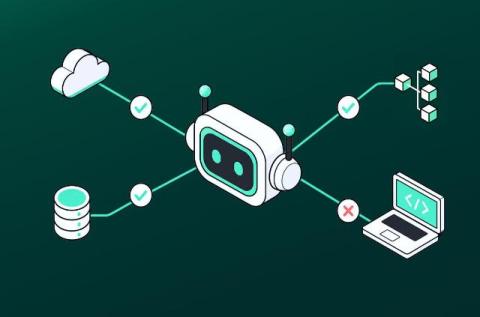
Zero Trust was built to fix an older assumption: if you were inside the network, you were trusted. Then, Cloud, SaaS and remote work broke that, so security moved toward identity, device checks, MFA, least privilege, and continuous verification. But now, with agents, the messy bit starts after access. The agent reads a prompt, pulls context, chooses a tool, calls an API, and may trigger a workflow. The login tells you the agent is “trusted”.

Microsoft 365 E7 and the Rise of AI Agents: What Security Leaders Need to Know

For years, enterprise security focused on protecting users, endpoints, applications and data. Today another identity is entering the enterprise. AI agents. Unlike traditional chatbots that simply answer questions, modern AI agents can perform tasks on behalf of users. They can search corporate knowledge, summarize documents, create reports, interact with business applications and, with appropriate permissions, execute multi-step workflows.

Your AI Agent Could Leak Enterprise Data #Shorts #aiagents

AI agents don't just answer questions—they access enterprise data, call APIs, interact with MCP servers, and trigger workflows. That means sensitive information like PII, PHI, HR records, pricing data, financial information, and confidential business data can flow through AI systems. In this YouTube Short, Amar Kanagaraj explains why AI governance, data security, and data sovereignty are essential for enterprise AI deployments—and how the NetScaler × Protecto integration helps organizations secure AI workflows.