Security | Threat Detection | Cyberattacks | DevSecOps | Compliance

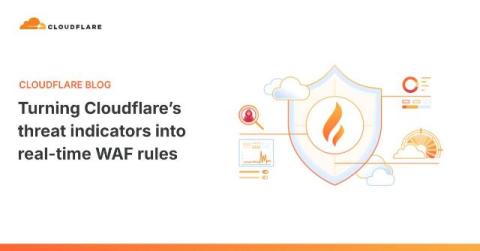
Turning Cloudflare's threat indicators into real-time WAF rules

Cloudflare’s Threat Events provides security analysts with a window into the global threat landscape. The platform offers a peek into the immense traffic that Cloudflare processes every day, so you can see in real time which IPs are attacking specific industries or which threat actors are trending globally. However, translating that visibility into active mitigation has often been a manual, reactive process.

AI Gateway vs. MCP Gateway: Model Control Tool Control

As enterprises adopt AI agents, two control points are becoming common: AI Gateways and MCP Gateways. They sound similar, but they solve different problems. An AI Gateway controls how applications interact with AI models. An MCP Gateway controls how AI agents interact with tools, systems, and data exposed through MCP. Both are useful. Neither is enough on its own.

The North Korean IT worker scam: Defending against the modern insider threat

The threat is coming from inside the organization. It is coming from a laptop farm three states over, routed through a proxy, and operated by a threat actor sitting on the other side of the globe. We are witnessing a massive shift in how adversaries breach organizations. They no longer need to spend weeks probing your external firewalls or crafting the perfect zero-day exploit. Instead, they simply update their resumes, pass your interview process, and your IT department ships them a corporate device.

Conditional Access Checklist for Microsoft Entra ID

Conditional Access is one of the most important security controls in Microsoft Entra ID. It helps organizations decide when access should be allowed, blocked, or challenged based on signals such as user identity, device status, location, application, and risk. For many organizations, Conditional Access is the best path forward for enforcing multifactor authentication because it provides more control than Security Defaults or Per-User MFA.

Report: AI-Enabled Social Engineering Attacks Are on the Rise

Threat actors are increasingly using AI-enabled social engineering to get around technical security measures, according to a new report from Visa. Social engineering attacks were behind the largest number of losses in the second half of last year. “From July to December 2025, Visa identified nearly $1 billion in scam-related activity, making scams the single largest category of consumer payment fraud,” Visa says.

SOC 2 Type 2 Audit Requirements for Fintech Companies

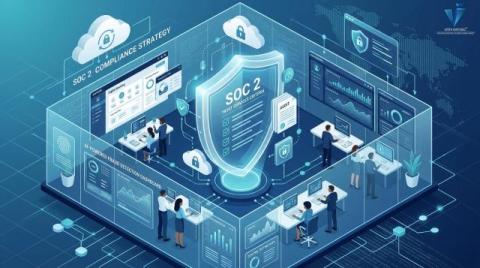
Rate this post Last Updated on June 8, 2026 by Narendra Sahoo Contents hide Why Fintech Companies Can No Longer Afford to Skip SOC 2 Type 2 What Is a SOC 2 Type 2 Report? (And Why Type 1 Is Rarely Enough) The Five AICPA Trust Services Criteria — Applied to Fintech Core SOC 2 Type 2 Audit Requirements for Fintech Companies The Practical SOC 2 Type 2 Audit Checklist for Fintech Companies Reading Your Audit Report: The Four Auditor Opinions Explained Frequently Asked Questions.

Certificate lineage: the concept your tools already use but nobody named

The word “certificate” means too many different things. When someone says “the certificate for example.com,” they might mean the public key the CA signed. They might mean the key-pair sitting on the filesystem. They might mean the signature that expires in 47 days. Or they might mean all the things together, that you’ve been renewing for the last 10 years. That last one doesn’t have a name in any PKI standard. And it should.

Unlock Compliance Management Solutions for 2026

You can usually tell when a compliance program is still running on audit season logic. Three weeks before an assessment, Slack fills with evidence requests. Security exports screenshots from cloud consoles. IT pulls user lists from IAM. HR scrambles to prove termination workflows. Someone opens the spreadsheet nobody has touched since the last audit and starts guessing which controls still map to which systems.