Security | Threat Detection | Cyberattacks | DevSecOps | Compliance

A Real-World Look at AWS Best Practices: Password Policies

Best practices for securing an AWS environment have been well-documented and generally accepted, such as AWS’s guidance. However, organizations may still find it challenging on how to begin applying this guidance to their specific environments. In this blog series, we’ll analyze anonymized data from Netskope customers that include security settings of 650,000 entities from 1,143 AWS accounts across several hundred organizations.

The Right Steps to SASE: Place Core Inspection Points Between Users and Apps

This is the third in a series of seven posts detailing a set of incremental steps for implementing a well-functioning SASE architecture. With a Next Generation Secure Web Gateway (NG-SWG) firmly in place and your visibility into all your traffic dramatically increased, one thing is certain: You may not like what you see next. Are your people using Microsoft Office 365? Salesforce? Workday? Box? The answer is almost certainly, yes.

Egnyte Expands Content Governance and Compliance Solutions for Google Workspace and Dropbox

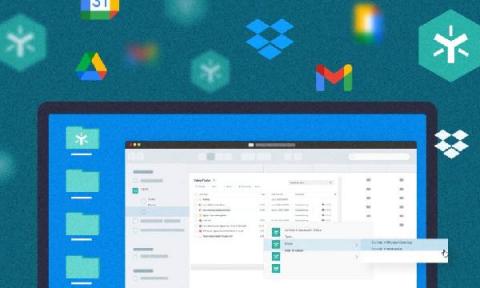
If you’re like most companies, your teams rely on a variety of cloud apps and storage solutions to get work done and collaborate with internal and external teams. While this flexibility is great for end users, it creates enormous complexity when it comes to data security and governance. IT teams must juggle multiple administrative dashboards, permissions configurations and access control policies across apps.

Overcoming Compliance Issues in Cloud Computing

The benefits of organizations moving some or all their IT workloads to the cloud are well-known and numerous. There are several challenges to successful cloud adoption, though, and one of the most important of them is compliance. Whether your cloud use case is low-cost data storage, scaling your infrastructure for critical business apps or disaster recovery, this article helps inform you about and overcome compliance issues in cloud computing.

How secure use of the cloud can digitally transform your business

Companies that move towards digital transformation can innovate more quickly, scale efficiently and reduce risk by implementing cloud security best practices. Businesses must keep up with growing customer expectations and the pace of innovation by adopting a digital-first business model. But for many businesses, digital transformation remains a huge challenge. Company culture and technology must align for a digital-first business model to be effective.

Introducing Sumo Logic Cloud SIEM powered by AWS

The Sumo Logic team is pleased to introduce the general availability of Sumo Logic Cloud SIEM powered by AWS. This joint solution will empower CIOs, CISOs, security and IT leaders to solve modern and legacy security operations use cases for Enterprises of all sizes and maturity with deep and contextualized insights to reduce the time to detect and respond to threats.

3 Key Observations on Network and Security Transformation

Recently I attended another great Evanta CIO event, and in the course of a day packed with excellent talks and knowledge-sharing opportunities, I had the opportunity to sit down and discuss the topic of network and security transformation with Stuart Hughes, the CIDO at Rolls Royce. Stuart shared his experiences over the past 18 months, discussing how the pandemic—among other things—had changed his strategic approach to security.

Understanding the Cloud Security Challenges for SMBs

The events of 2020 didn’t prevent small- to mid-sized businesses (SMBs) from adopting the cloud. Impact Networking reported that SMBs’ overall cloud spending grew 6.3% between 2019 and 2020. Such growth is projected to lead more than a third (35%) of SMBs to annually spend between $600,000 and $1.2 million on public cloud services by the end of 2021, noted Statista.

An Introduction To Cloud Security Posture Management (CSPM)

Many organizations are equipped to handle insider threat and external, common well-known challenges (like malware, for instance). These so-called “intentional” threats can be addressed through proactive security measures and best practices. But what about the unintentional risks that come with operating in a cloud-first environment? Unintentional mistakes, such as misconfiguring cloud infrastructure, can be equally devastating.

Improving Web Security User Experience with HTTP/2

More than half of websites today support HTTP/2 for an improved user experience as web developers continue to move off HTTP 1.1. That’s for several good reasons. HTTP 1.1 can support six concurrent TLS tunnels with one session each to download web objects in popular web browsers, but HTTP/2 uses multiplexing to support thousands of sessions in one TLS tunnel and download web objects much faster.