Security | Threat Detection | Cyberattacks | DevSecOps | Compliance

Tranche 2 Australia: Who's affected and how to comply

On 1 July 2026, Australia's Tranche 2 reforms take effect. If you're a lawyer, accountant, real estate agent, conveyancer, precious metals dealer, or trust and company service provider, this deadline likely applies to you. Tranche 2 extends Australia's AML/CTF obligations to approximately 100,000 businesses that were previously unregulated.

Guide to Just-in-Time (JIT) Provisioning

Imagine onboarding a new employee, contractor, or partner without creating accounts manually for every application. That’s exactly what Just-in-Time (JIT) provisioning enables. Instead of relying on slow, manual onboarding workflows, JIT provisioning automatically creates user accounts the moment users log in through SAML SSO. As organizations adopt more cloud applications and remote work models, automated user provisioning has become essential for scalable Identity and Access Management (IAM).

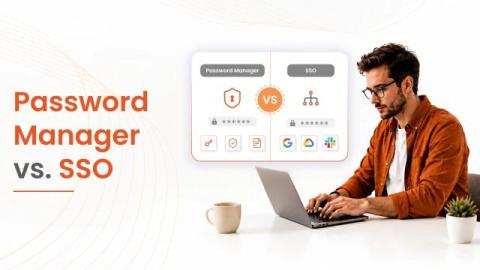
Password Manager vs. SSO: What Business Should Choose in 2026?

As businesses adopt more cloud applications, managing user access securely has become increasingly complex. Employees today use dozens of applications for communication, collaboration, development, HR, finance, and customer management. This creates a major challenge for IT teams: balancing security with a seamless user experience. To solve this problem, organizations typically evaluate two technologies: Single Sign-On (SSO) and password managers. In this guide, we’ll cover.

Govern AI agents the right way with Identity Manager by One Identity

AI agents are becoming an inseparable part of identity governance, sometimes being created by other AI agents and acting proactively across platforms at machine speed — but who’s watching them? Identity Manager 10.0 by One Identity answers that question. Hear Ingrid Thorpe, director of product management for Identity Manager, explore how the solution governs agentic workflows, tackles agent-specific risks and integrates across cloud and enterprise platforms, holding non-human identities (NHIs) accountable.

How to Protect Identities and Sessions from Infostealers

Infostealers are among the most persistent and damaging strains of malware affecting individuals and organizations worldwide. These stealthy and malicious programs often go unnoticed, quietly infiltrating devices to steal sensitive data and relay it to cybercriminals. From session tokens and login credentials to financial information and browser-stored data, infostealers pose a grave risk to organizations.

Persona attains FedRAMP Moderate Authorization status

Persona’s FedRAMP Moderate Authorization status gives federal agencies a secure and highly configurable option for verifying users, preventing fraud, and securing digital services. The US Government Accountability Office (GAO) estimates the federal government loses $233 billion to $521 billion to fraudsters annually. And many agencies are facing a significant challenge as they modernize their digital operations.

Multi-Cloud Identity Management: 10 Best Practices

The moment teams move from one cloud to two, identity governance starts to fracture. Roles don’t translate cleanly, and access reviews lag behind deployment velocity. Multi-cloud identity management is the practice of controlling who can access what across AWS, Azure, GCP, Kubernetes, SaaS tools, databases, and other cloud-connected systems.