Security | Threat Detection | Cyberattacks | DevSecOps | Compliance

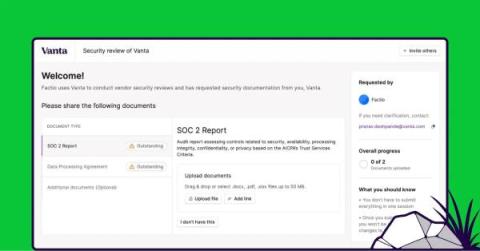
A new way to proactively manage third-party risk: Vendor Risk Management

Businesses are using more SaaS applications than ever, with an average of 110 apps per organization. This proliferation of third-party applications means increasingly more customer and employee data is handled by external vendors. ‍ Ensuring your third-party vendors are secure by tracking risk, conducting reviews, and responding to issues is a security best practice and compliance requirement. Unfortunately, this process is often a manual — and expensive — one.

AI, Cybersecurity, and Emerging Regulations

The SecurityScorecard team has just returned from an exciting week in San Francisco at RSA Conference 2023. This year’s theme, “Stronger Together,” was meant to encourage collaboration and remind attendees that when it comes to cybersecurity, no one goes it alone. Building on each other’s diverse knowledge and skills is what creates breakthroughs.

Cybersecurity Risk Mitigation: Understanding the Limitations of Reducing a £2 Million Risk

We discuss a scenario where a £2 million risk can potentially be mitigated to £100,000 through a £50,000 investment. However, it's crucial to comprehend the inherent limitations of risk reduction in the cybersecurity realm. As seasoned cybersecurity professionals, we acknowledge that no company, solution, or defense mechanism can guarantee 100% protection against emerging threats. Stay updated and empowered with the latest insights to safeguard your digital assets effectively.

Zero day remediation tips: Preparing for the next vulnerability

Businesses increasingly run on software, which, unbeknownst to its developers, can contain vulnerabilities that attackers often discover and exploit before a patch is available. This makes zero day attacks inevitable, but you can reduce their impact in your network and across your supply chain if you’re prepared to act fast.

How Do You Perform a Supplier Risk Assessment?

When choosing a supplier to partner with, organizations need to perform their due diligence and assess the cyber risks associated with each particular supplier using risk assessment evaluations. Part of the supplier lifecycle management process includes ensuring that these third parties are meeting minimum security requirements, maintaining strong cybersecurity programs, and adhering to all relevant compliance regulations.

A Closer Look at SecurityScorecard Marketplace

On average, organizations deploy 47 different cybersecurity solutions and technologies. This puts security, IT, and VRM teams in a difficult position, working with various tools that don’t integrate. One-third of organizations identify “non-integration of security tools” as a major roadblock to getting the total value of their investments.

What is a cybersecurity report? Why are they necessary?

Waves of change are constantly disrupting companies of all sizes around the world, particularly when it comes to cybersecurity. Digital infrastructure keeps expanding, work models constantly change, and the web between businesses gets more and more intertwined. It’s no surprise that CISOs and risk leaders are evolving. A majority of boards now see cyber risk as business risk, so they’re asking hard questions around risk and exposure.

How to Track All of Your Fourth-Party Cybersecurity Risks

A lack of direct communication with your fourth-party vendors makes tracking their security risks difficult. Thankfully, there are methods of overcoming this issue to help you remain informed of emerging fourth-party risks to help you easily track emerging fourth-party threats within your Fourth-Party Risk Management program. To learn how UpGuard can help you track your fourth-party risk, click here to request a free trial.