Examining the Anti-Money Laundering (AML) Risks and Red Flags of Crypto Exchanges
Conversation with Claire Simm and James Brennan on AML compliance and regulations for cryptocurrency.


Risk management of code is an important and often overlooked development function that you need to pay attention to. You may think that this is not a developer’s problem, however developers should not write code that unduly adds to technical debt, hence the need to manage risk. The primary motivation for risk management is to prevent error or failure. Do not seek to eliminate failure, seek to minimise it, to manage the risk of failure.
Have you been to the hospital lately? If so, you’ve probably been attached to at least one medical device with at least some sort of internet access. According to Cisco, the average hospital room has, on average, 15-20 connected devices, with an average of 6.2 cybersecurity vulnerabilities between them.
Viruses are the hot topic of 2021. We’re not just talking about the COVID-19 virus. Computer viruses, identity theft, and threat actors are no longer just the subject of sci-fi films and crime shows, but a reality of running a business. More than ever, cybersecurity is top of mind for business leaders. Whether you are a Fortune-500 Company or just launching your first venture, no business is too big or too small to escape the realities of today’s cyber threats.
Cybersecurity is one of the essential tasks for any business. It’s not just a matter of protecting your company’s data and information from external threats, but also ensuring that it remains robust to internal ones. All three, i.e. people, processes and technology, are your greatest asset. If they are not embedded and managed throughout the organisation, you can expect that they will inadvertently put your sensitive data at risk.
In 1970, the world experienced its first “cyber attack” – What first started as a harmless joke, paved the way for a new wave of criminality - cybercrime. Since then, attacks have become more sophisticated with the use of malware, ransomware, and phishing attacks, among many others. In fact, according to Security Magazine, today’s hackers attack computers with Internet access every 39 seconds on average.
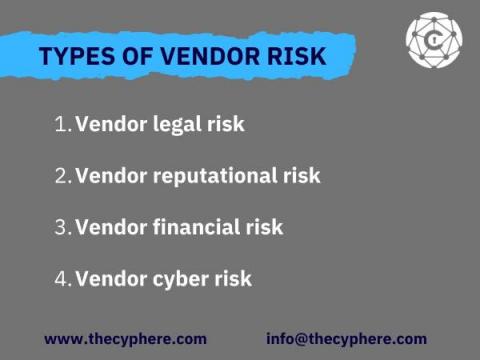
Vendor risk management (VRM) is the type of risk management practice assessing and mitigating business partners, third parties, or external vendors. This process is conducted before an entity enters into a business relationship and during the duration of the business contract with the vendor.
Vendor risk management (VRM) is rapidly emerging with ever-evolving cyber security strategies. As we hit the pandemic and try to manage critical operations in a remote work setup, each day, business entities challenge with the new security, privacy, and business continuity risks associated with their vendors.